eBay
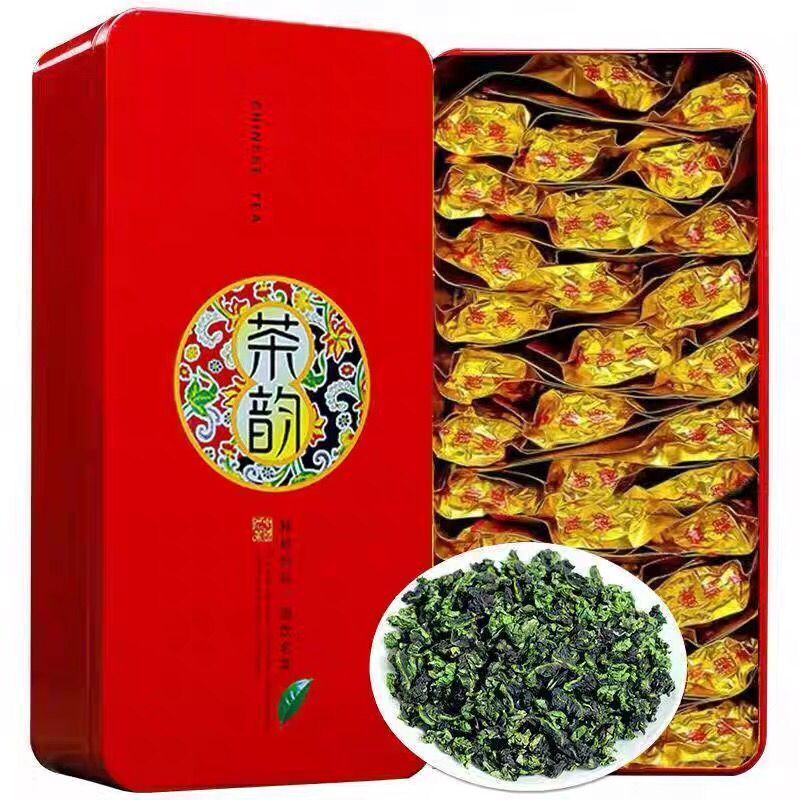
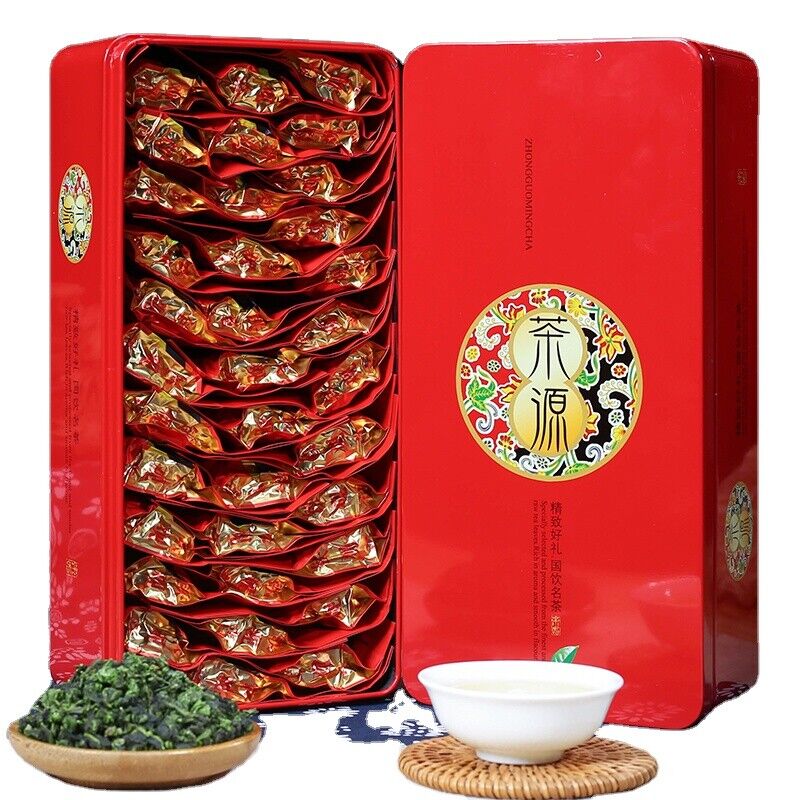
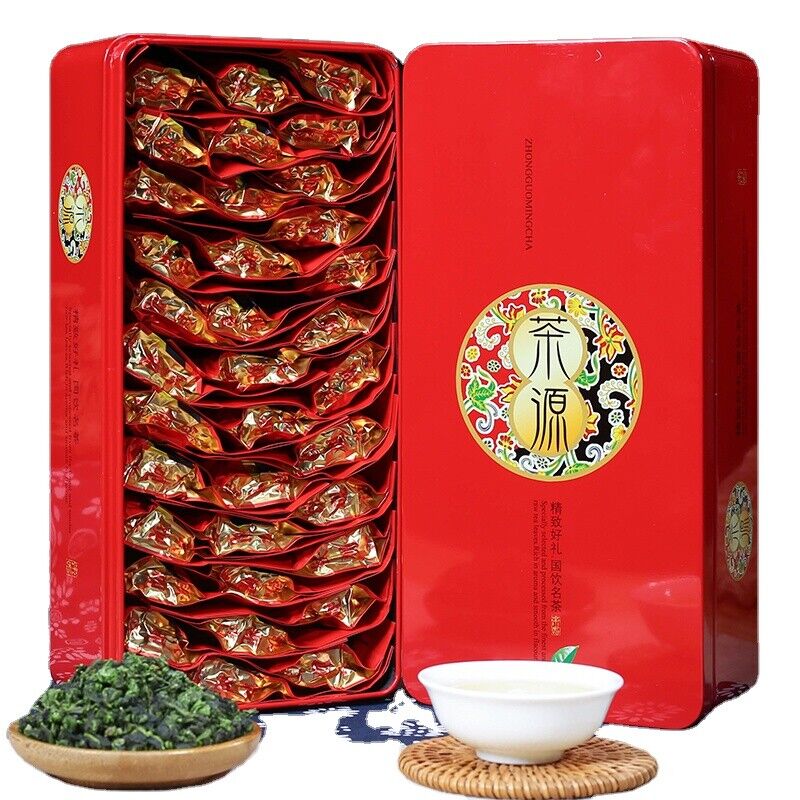
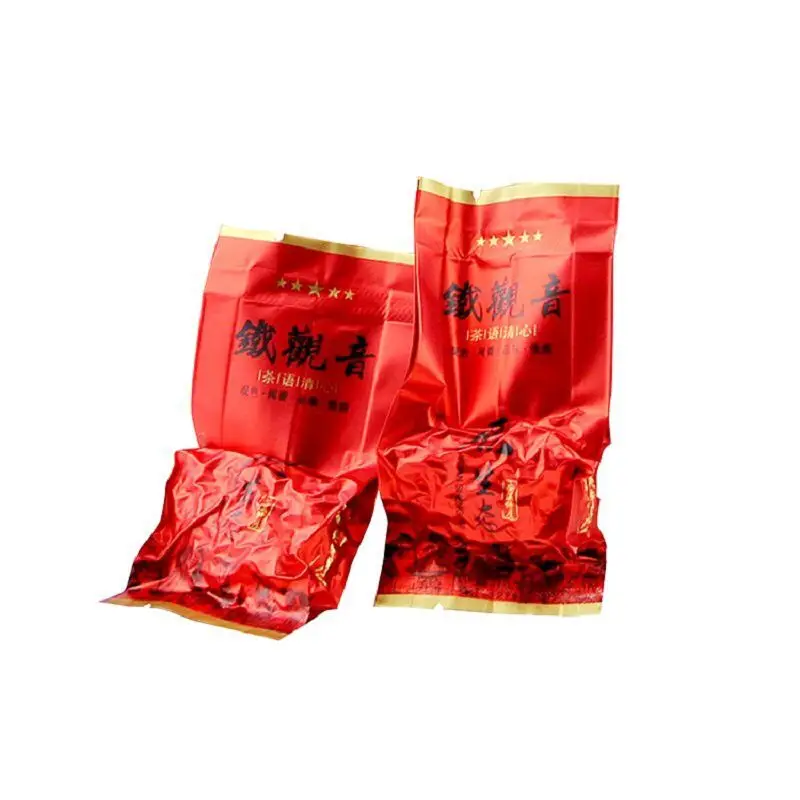
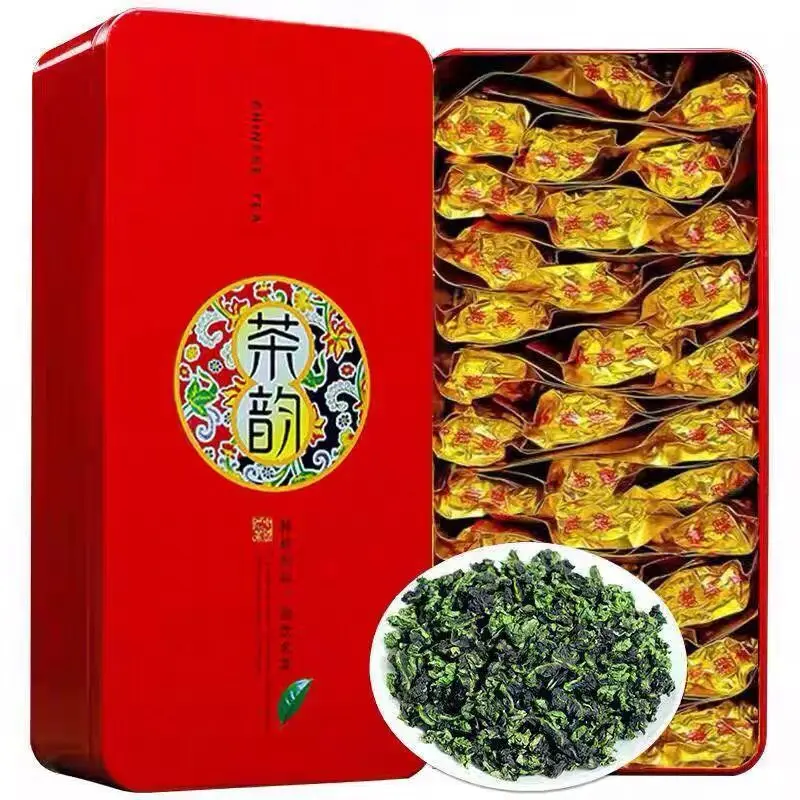
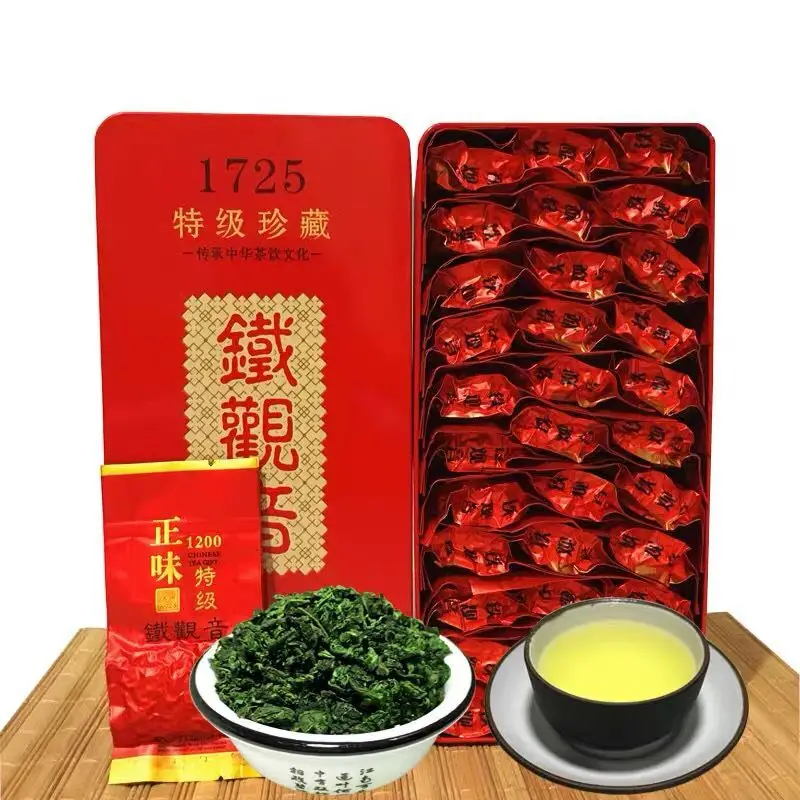
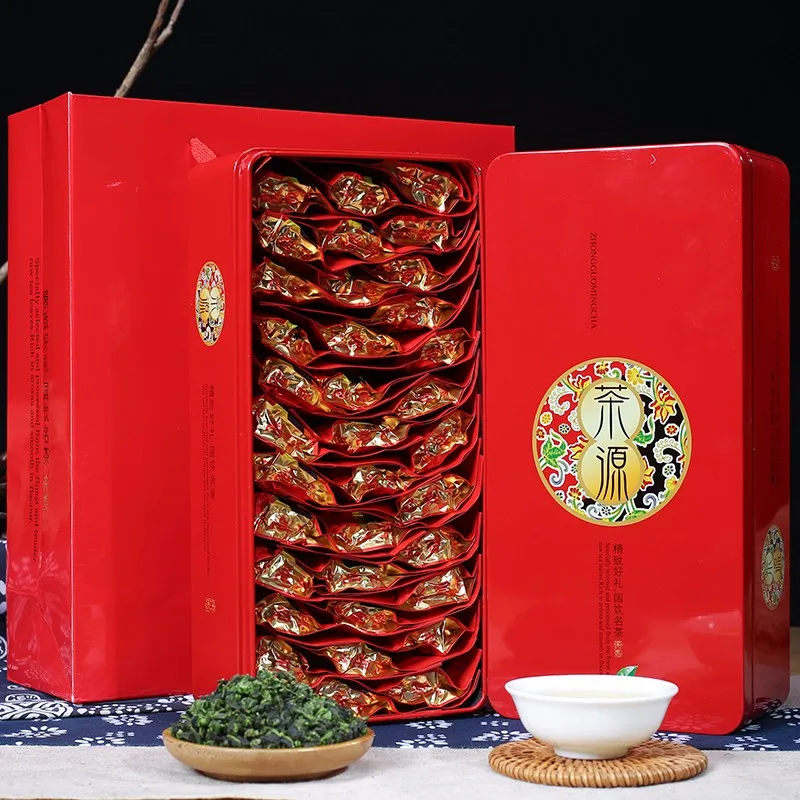
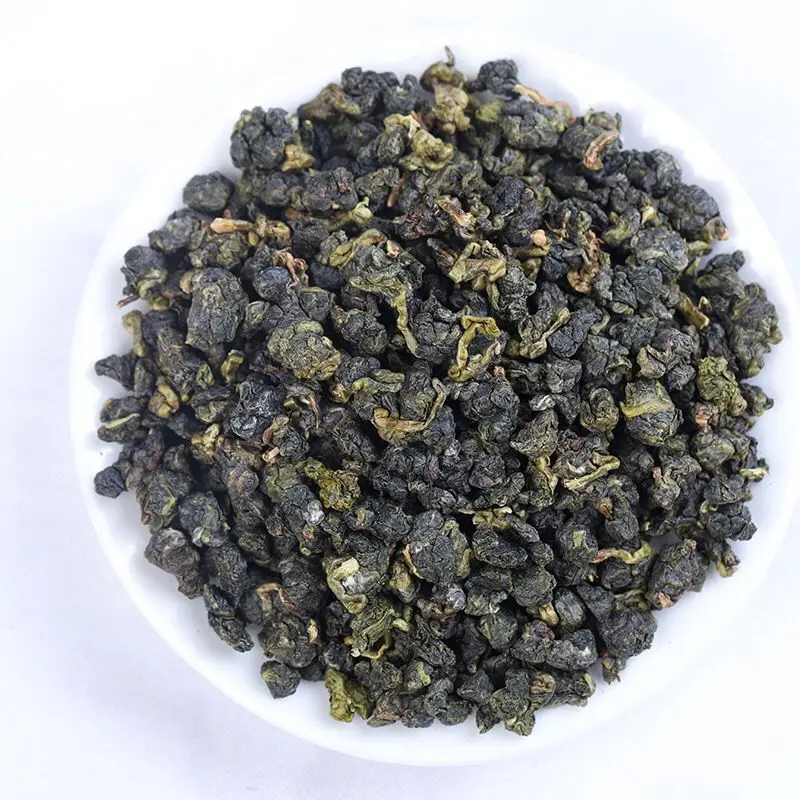
Tieguanyin Oolong Tea 250g Vacuum bag package,8g* 32small bags
|
Name
|
|
Tie Guan Yin (Ti Kuan Yin) – Also called Iron Goddess of Mercy
|
|
|
|
Appearance
|
|
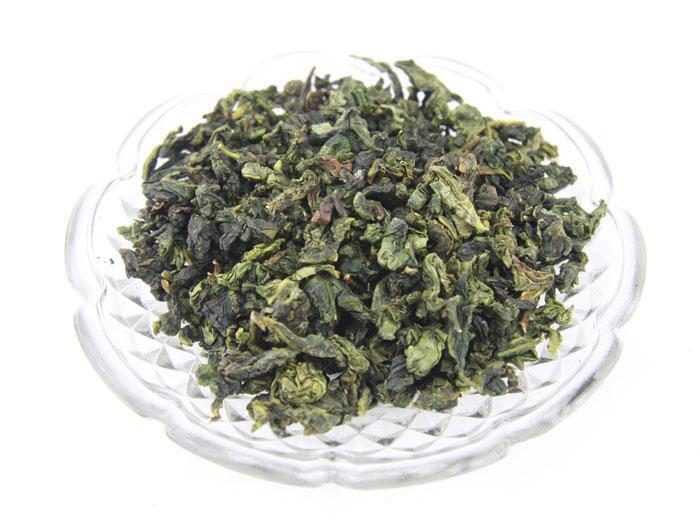
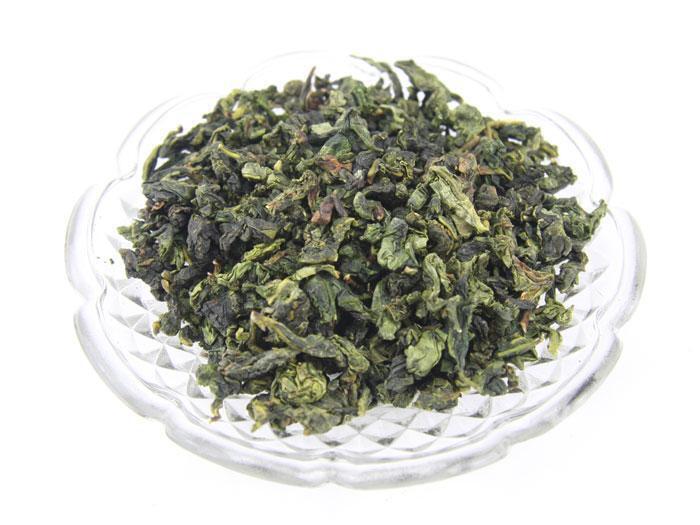
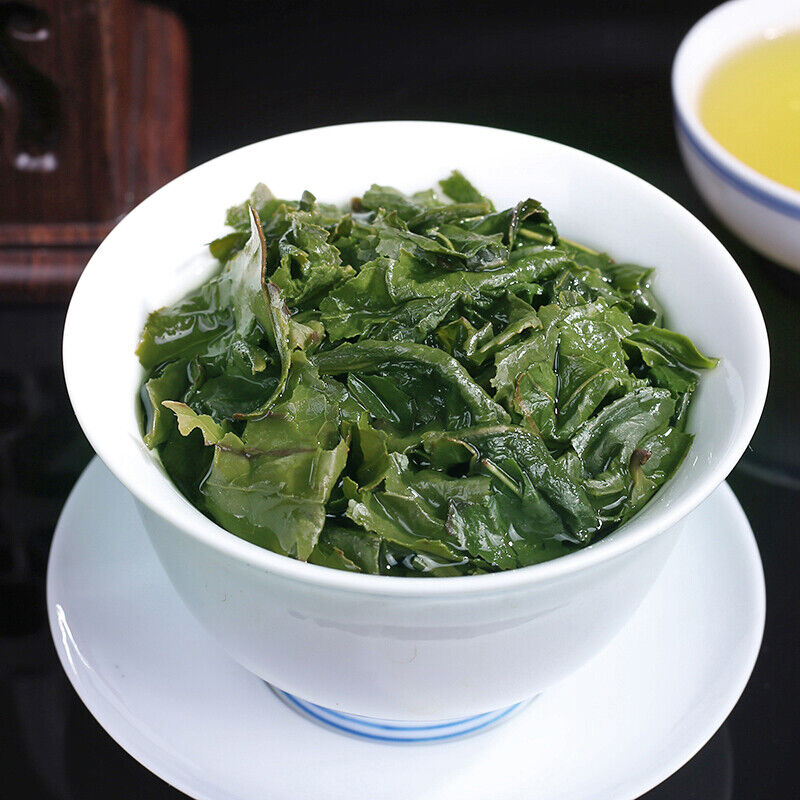
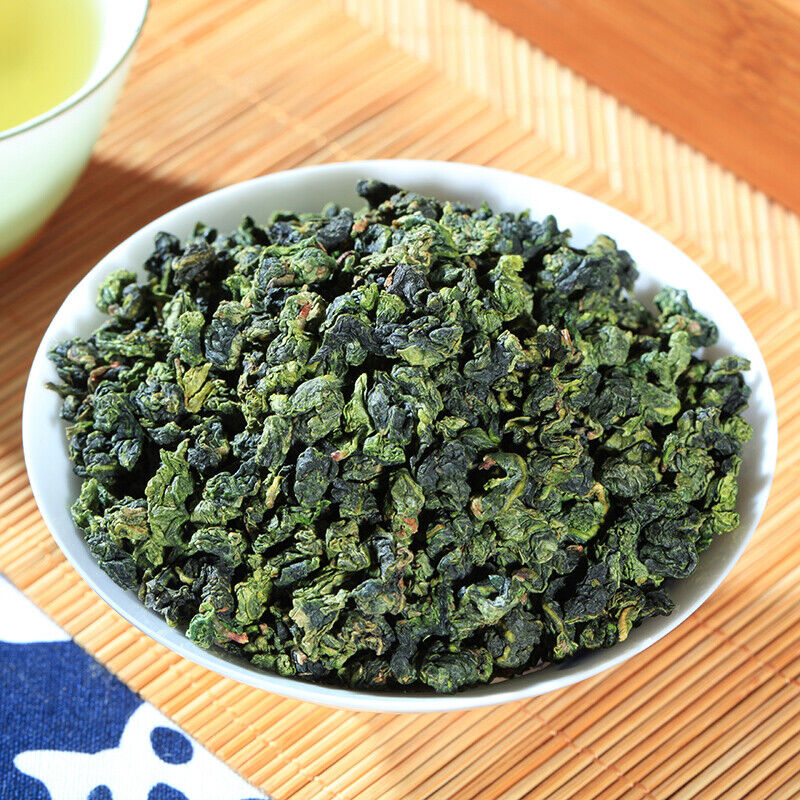
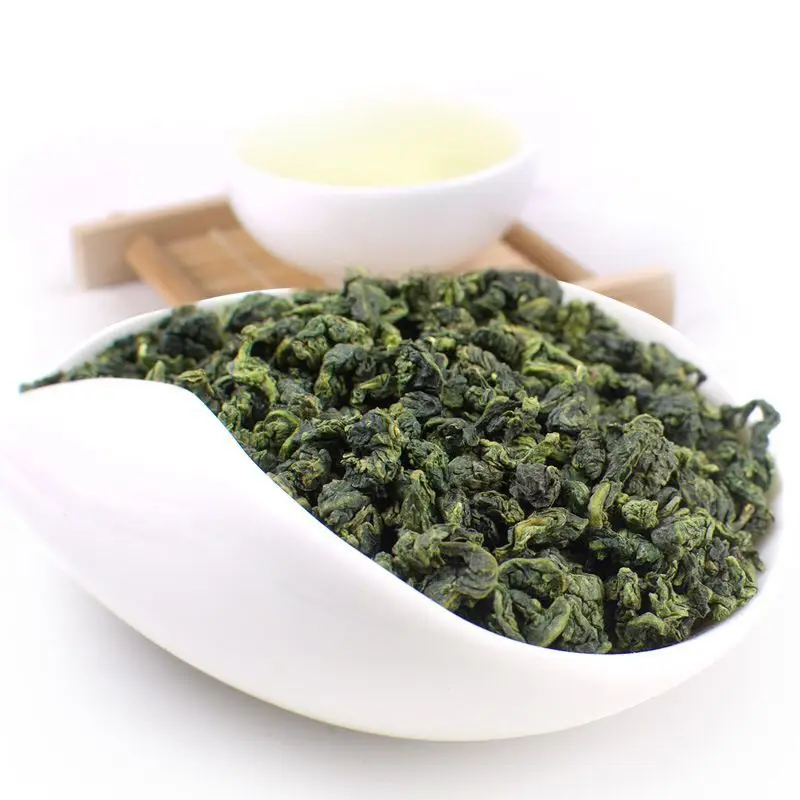
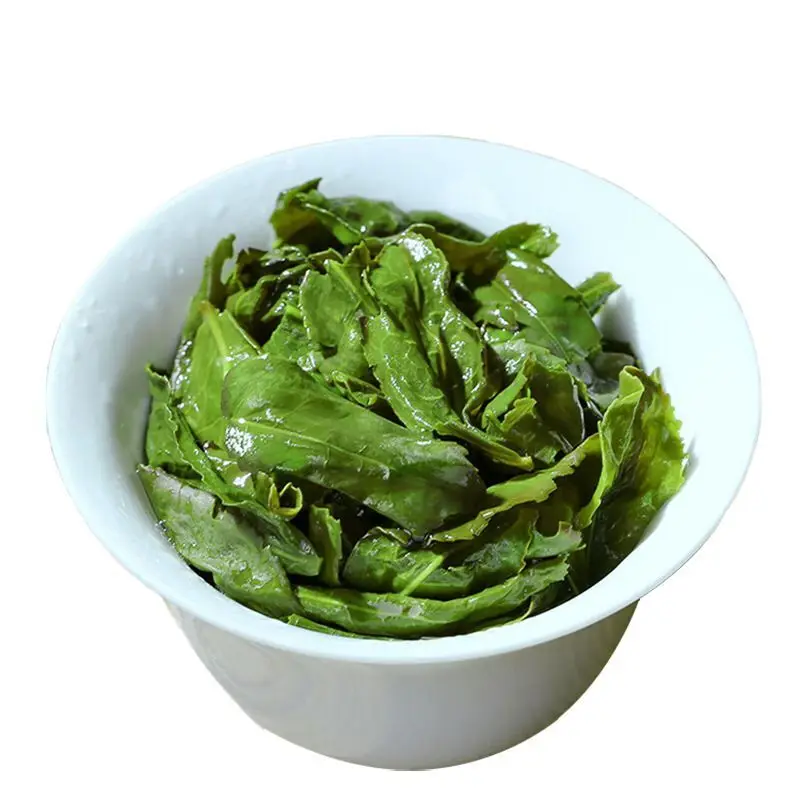
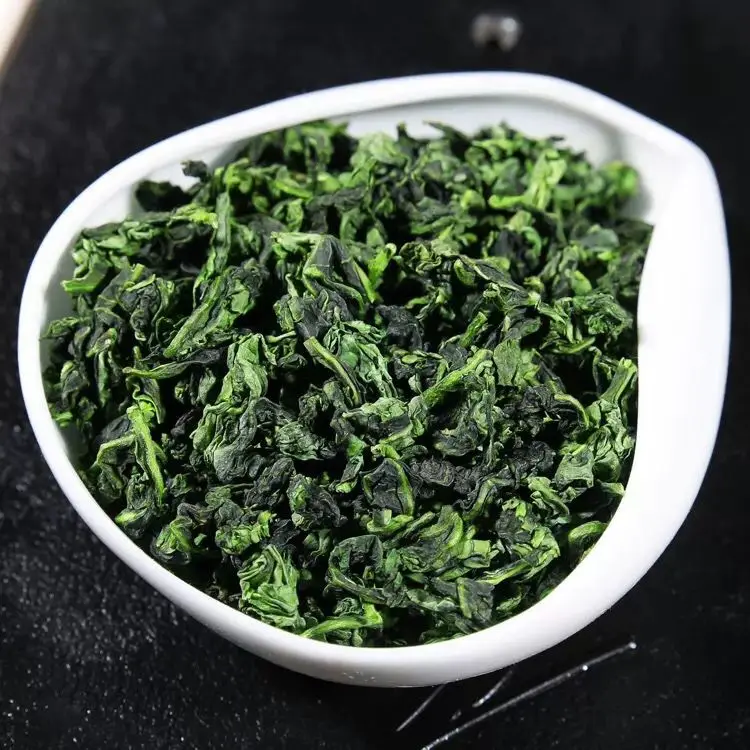
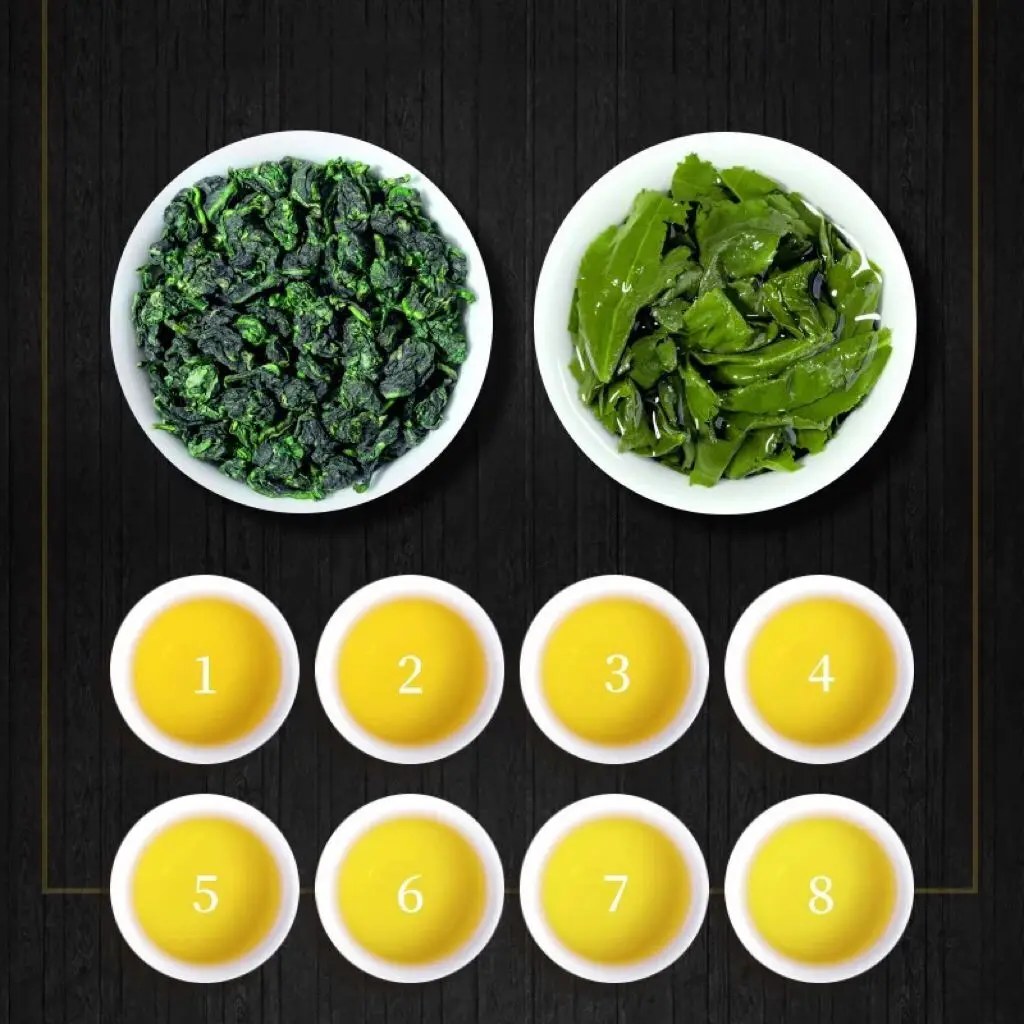
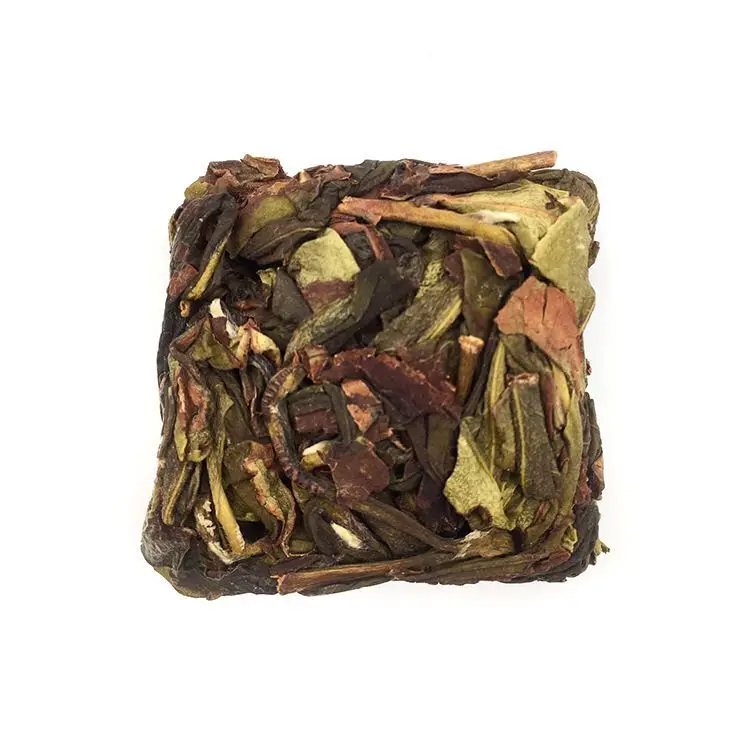
It looks like dragonfly head, curled and bold. Sandgreen.
|
|
|
|
Raw material
|
|
Fresh tea from alp, slim leaves have high aroma
|
|
|
|
Taste
|
|
sweet and fresh with honey aromas, clean and mellow.
|
|
|
|
Tea Water
|
|
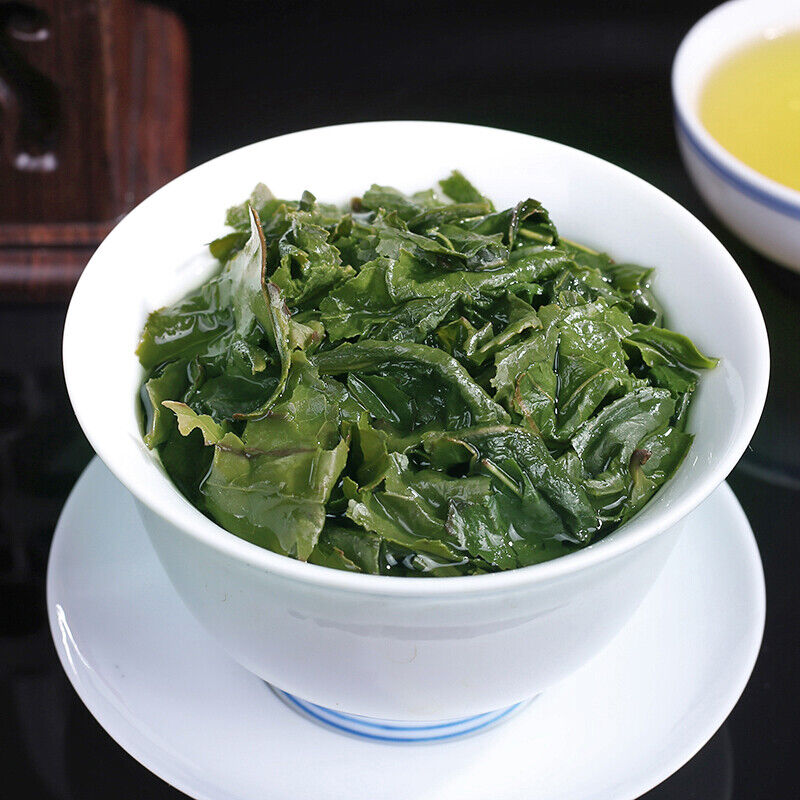
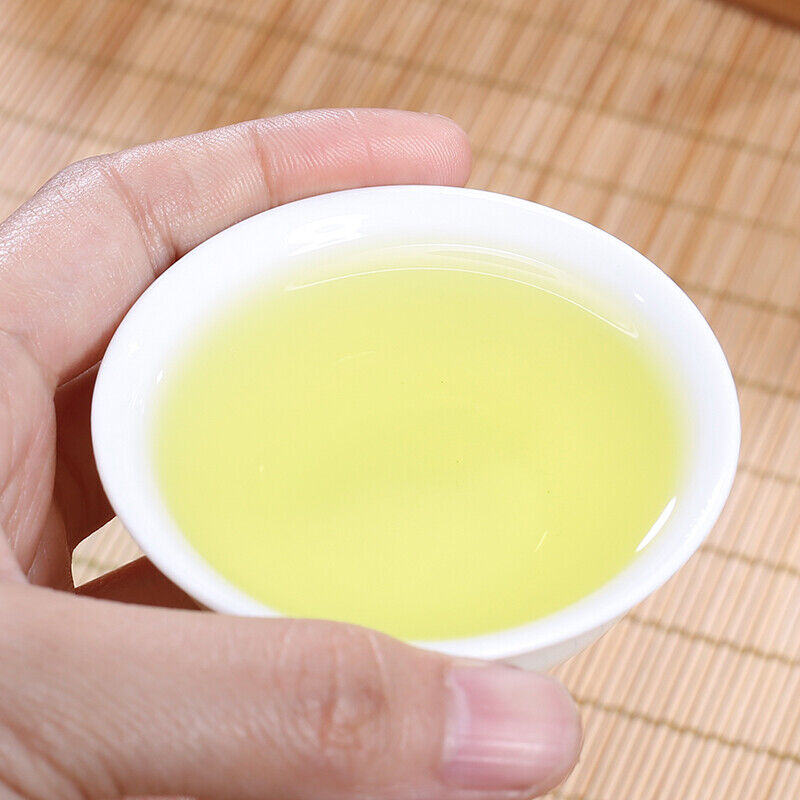
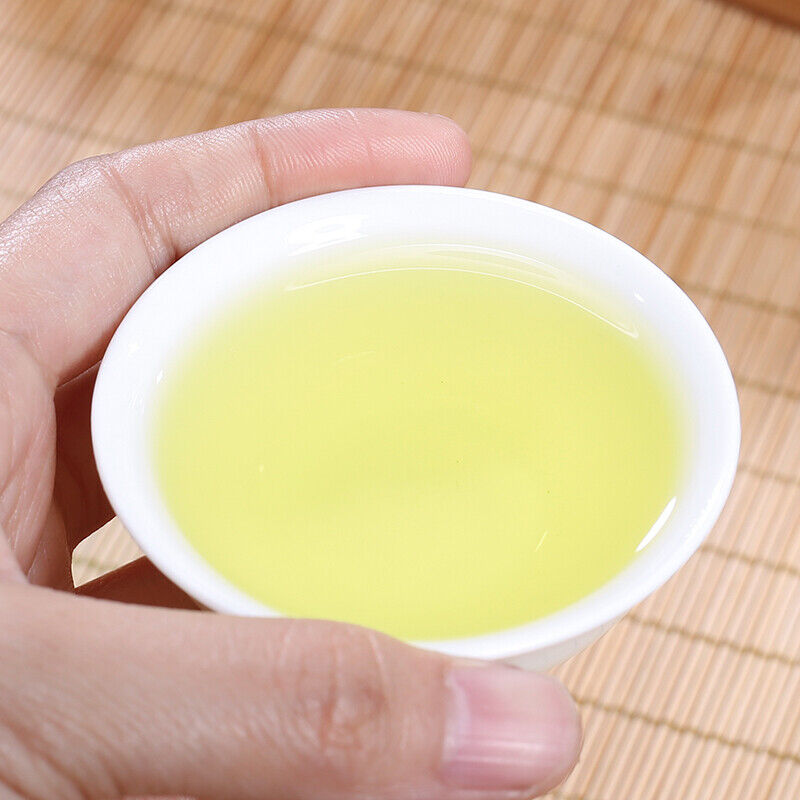
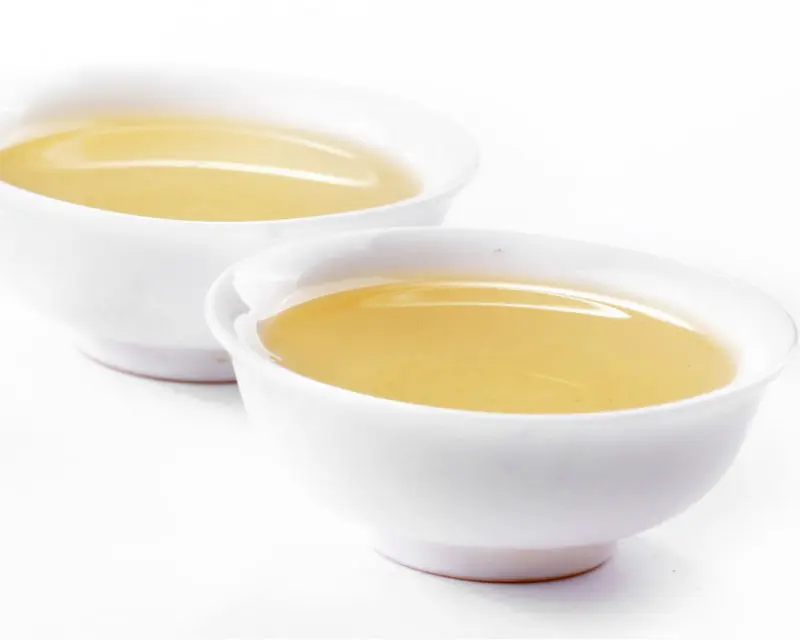
clear yellow with light green.
|
|
|
|
Contents
|
|
the protein, fat, saccharine, microelement, tannin, Catching, theine and multiplex vitamin
|
|
|
|
How to Brew Tea
|
|
It's easier than you think since there is no right or wrong way to make tea. Experiment and, most importantly, let your palate be
your guide. If it's your first time brewing loose tea, here are some simple instructions to follow to ensure that your first cup
is one you thoroughly enjoy.
Water: Start with good tasting water - lightly filtered or spring water will do. Follow the temperature guide below and be sure
not to pour boiling water on green or white tea as this will "cook" the leaves and to a degree lessen their flavor. One note, if
you like the taste of your tap water, you will probably find it satisfactory for making tea.
Leaves: For a cup of tea or a teapot (8 to 12 ounces), one tablespoon (3-5 grams) of tea should be enough. For a teapot 16-24
ounces, a rounded tablespoon of leaf will probably work. You may need to experiment some here to find the right quantity and
taste. Note, if the tea is becoming astringent, even with a short steep, you probably are using too much leaf.
Steep Time: Generally, we steep our green, white and black teas for 2-3 minutes. Oolongs will typically use shorter steeps as they
are strong in taste. Pu-erh teas will steep for longer periods. So, the steep time may vary for each variety. Start with shorter
steep times (2 minutes) and see if you like the taste. Experiment and increase the steep time as needed.
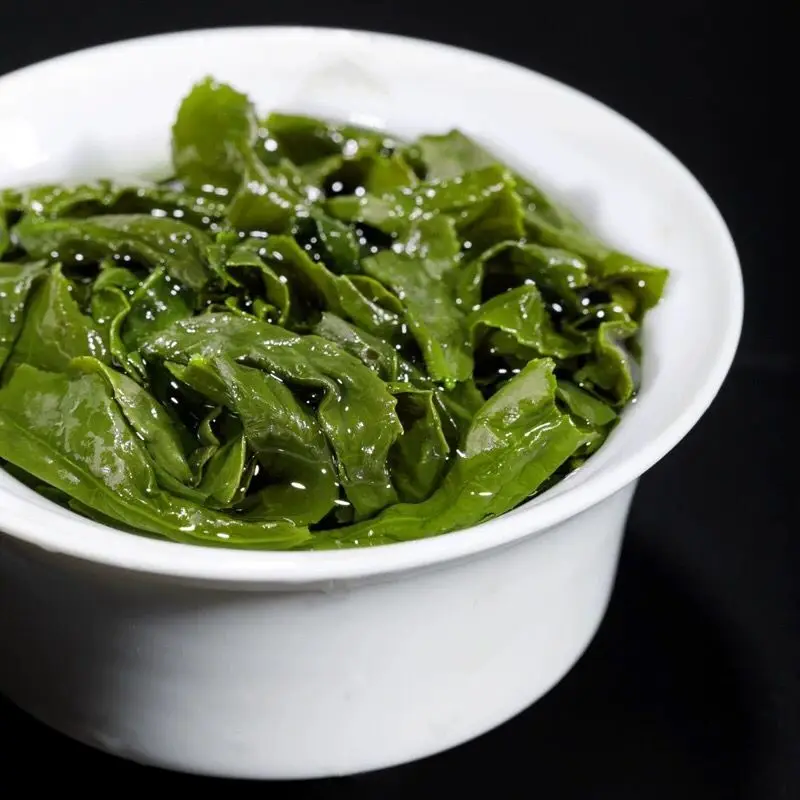
Taste: Most of our leaves are meant to be steeped two or three times. Simply add hot water to the pot and increase the steep time
with each infusion. Between steeps, drain the water from the leaves.
|
|
|
|
General Introduction
|
|
Oolong is a traditional Chinese tea (Camellia sinensis) produced through a unique process including withering the plant under the
strong sun and oxidation before curling and twisting. Most oolong teas, especially those of fine quality, involve unique tea plant
cultivars that are exclusively used for particular varieties. The degree of oxidation can range from 8 to 85%, depending on the
variety and production style. Oolong is especially popular with tea connoisseurs of south China and Chinese expatriates in
Southeast Asia, as is the Fujian preparation process known as the Gongfu tea ceremony.
|
|
|
|
|