Premium Lincang Xigui Raw Pu-erh Loose Tea – Ancient Arbor Sheng Cha, Orchid Aroma & Sweet Aftertaste
Tea Characteristics:
Lincang Xigui Raw Pu-erh is a rare, high-quality sheng cha (生茶) from the Xigui tea mountains of Lincang, Yunnan. Harvested from 100+ year-old ancient arbor trees, this loose-leaf tea embodies the pristine terroir of its origin, characterized by mineral-rich soil and mist-shrouded high-altitude forests.
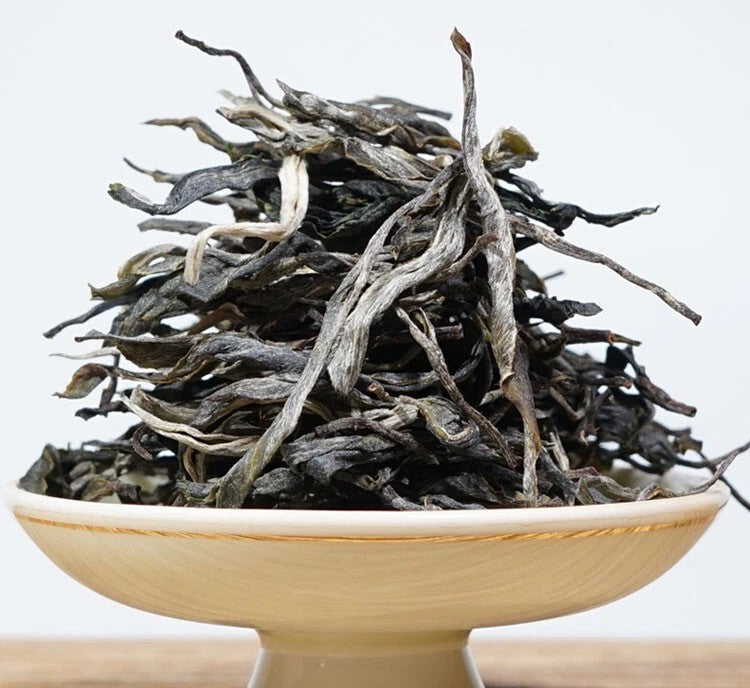
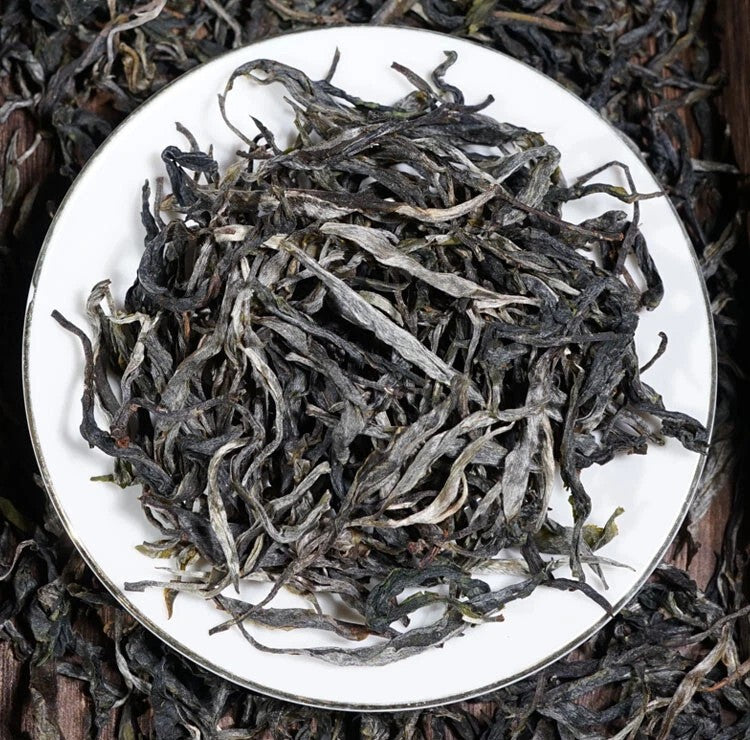
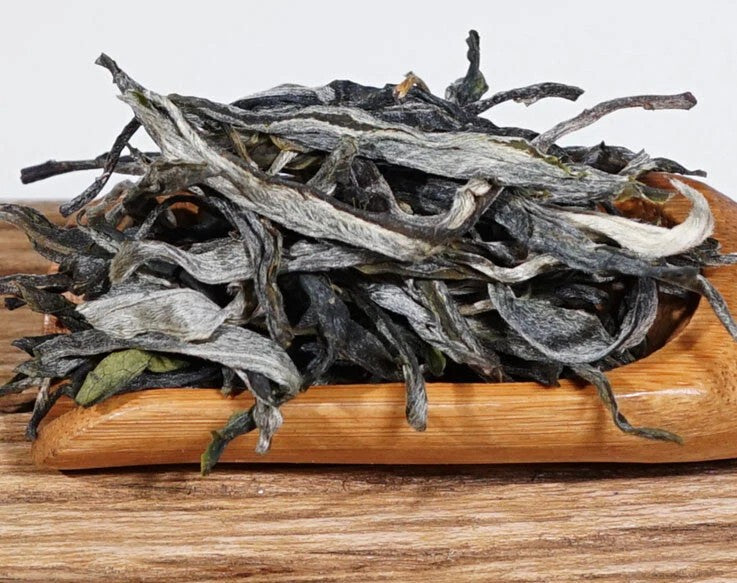
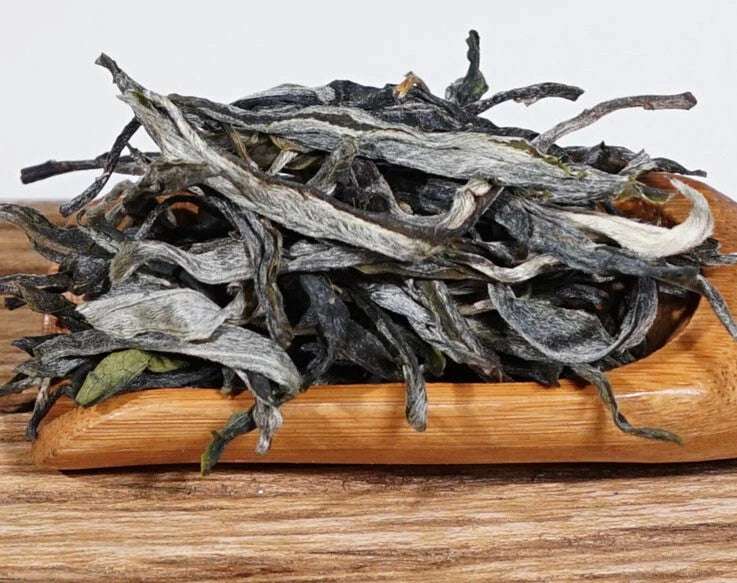
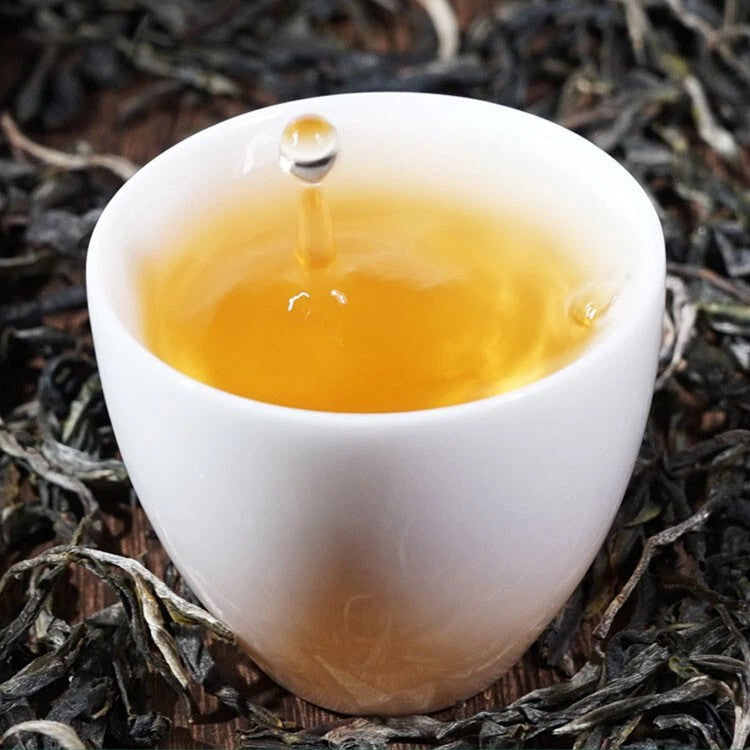
Leaf Appearance: Tightly twisted, dark green leaves with silvery tips and visible trichomes (hairs).
Aroma: Dominant orchid and honey fragrance, layered with subtle fruity notes (ripe apricot) and a fresh vegetal undertone.
Oxidation Level: Light (15–25%), preserving vibrant floral and grassy notes.
Flavor Profile:
Taste:
Initial Sip: Bright, crisp bitterness that quickly transforms into honey-like sweetness and lingering huigan (refreshing aftertaste).
Mid-Palate: Notes of wild berries and bamboo leaf freshness, balanced by a mineral Yan Yun (rock rhyme) character.
Finish: Clean, cooling sensation in the throat with a 30+ minute sweetness.
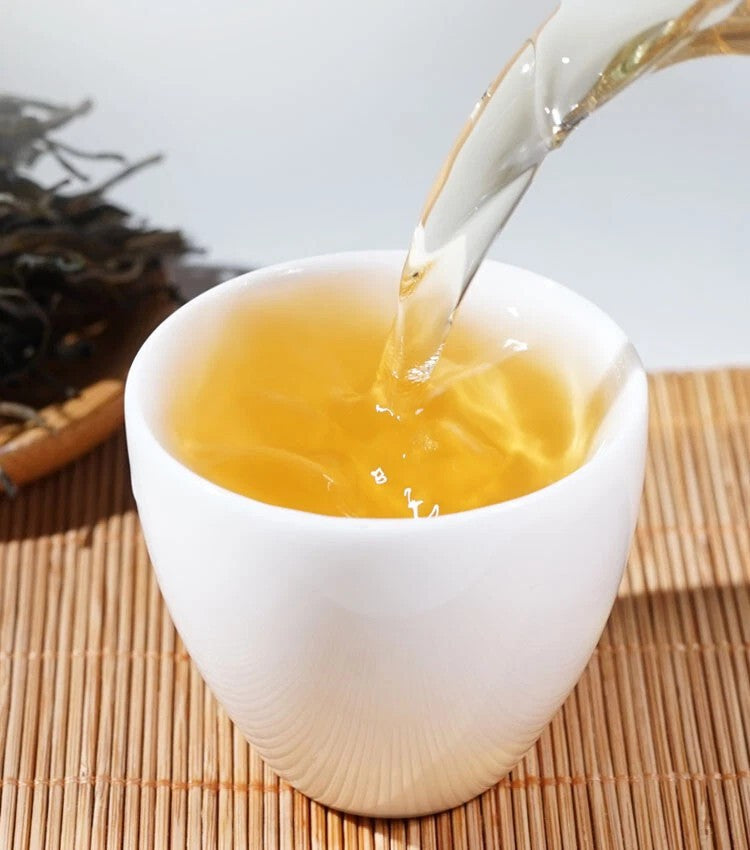
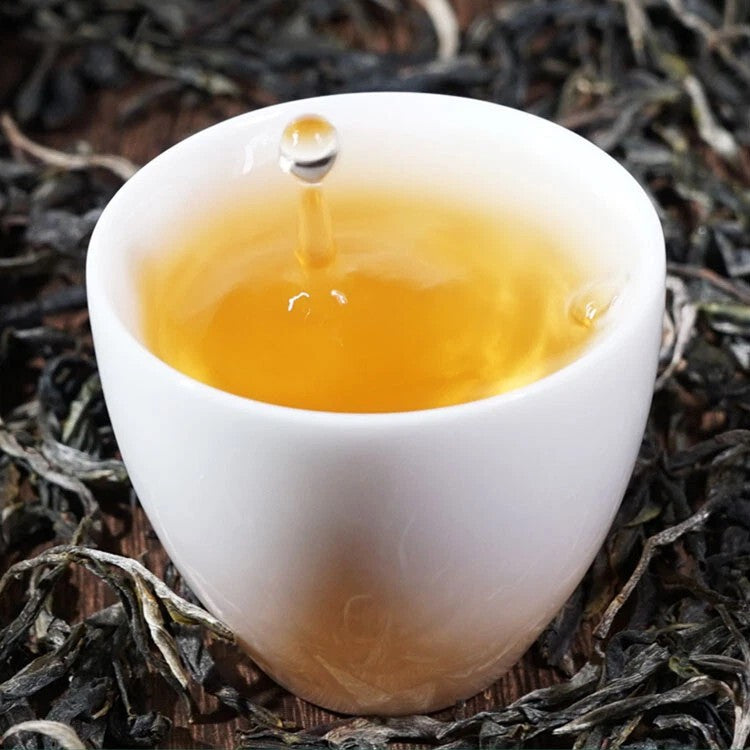
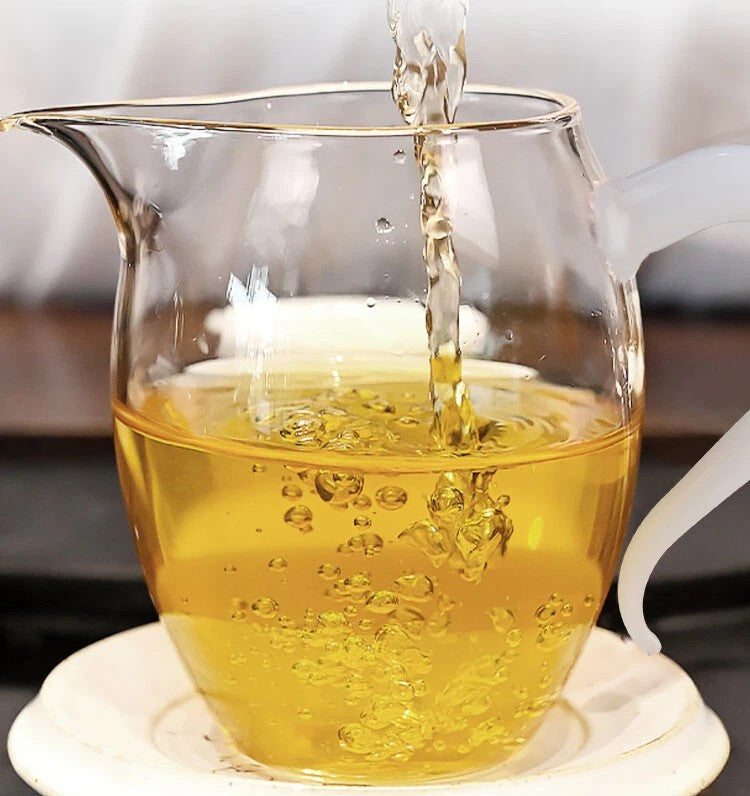
Liquor Color: Golden-yellow, crystal-clear, and radiant.
️ Brewing Guide:
Gongfu Method (Recommended):
5g tea / 100ml water (90–95°C / 194–203°F).
Rinse: Flash rinse (5 seconds) to awaken leaves.
Steeping: 10–15 seconds for the first infusion, increasing by 5 seconds per subsequent brew (yields 8–12+ infusions).
Cold Brew:
3g tea / 300ml cold water – refrigerate for 6–8 hours for a refreshing, floral iced tea.
Best Teaware: Use a porcelain gaiwan or Yixing clay teapot to accentuate its delicate aroma.
Storage Instructions:
Short-Term (1–3 years): Store in an airtight, opaque container away from light, moisture, and odors.
Long-Term Aging: Keep in a cool, dry environment (60–70% humidity) to develop deeper complexity over time.
Why Choose Xigui Raw Pu-erh?
Ancient Arbor Legacy: Sourced from century-old trees with deep roots absorbing mineral-rich soil nutrients.
Aging Potential: Gains value and complexity annually, evolving into a collector’s treasure.
Unique Terroir: Grown in Lincang’s misty highlands, a UNESCO-recognized tea region
Tea Characteristics:
Lincang Xigui Raw Pu-erh is a rare, high-quality sheng cha (生茶) from the Xigui tea mountains of Lincang, Yunnan. Harvested from 100+ year-old ancient arbor trees, this loose-leaf tea embodies the pristine terroir of its origin, characterized by mineral-rich soil and mist-shrouded high-altitude forests.
Leaf Appearance: Tightly twisted, dark green leaves with silvery tips and visible trichomes (hairs).
Aroma: Dominant orchid and honey fragrance, layered with subtle fruity notes (ripe apricot) and a fresh vegetal undertone.
Oxidation Level: Light (15–25%), preserving vibrant floral and grassy notes.
Flavor Profile:
Taste:
Initial Sip: Bright, crisp bitterness that quickly transforms into honey-like sweetness and lingering huigan (refreshing aftertaste).
Mid-Palate: Notes of wild berries and bamboo leaf freshness, balanced by a mineral Yan Yun (rock rhyme) character.
Finish: Clean, cooling sensation in the throat with a 30+ minute sweetness.
Liquor Color: Golden-yellow, crystal-clear, and radiant.
️ Brewing Guide:
Gongfu Method (Recommended):
5g tea / 100ml water (90–95°C / 194–203°F).
Rinse: Flash rinse (5 seconds) to awaken leaves.
Steeping: 10–15 seconds for the first infusion, increasing by 5 seconds per subsequent brew (yields 8–12+ infusions).
Cold Brew:
3g tea / 300ml cold water – refrigerate for 6–8 hours for a refreshing, floral iced tea.
Best Teaware: Use a porcelain gaiwan or Yixing clay teapot to accentuate its delicate aroma.
Storage Instructions:
Short-Term (1–3 years): Store in an airtight, opaque container away from light, moisture, and odors.
Long-Term Aging: Keep in a cool, dry environment (60–70% humidity) to develop deeper complexity over time.
Why Choose Xigui Raw Pu-erh?
Ancient Arbor Legacy: Sourced from century-old trees with deep roots absorbing mineral-rich soil nutrients.
Aging Potential: Gains value and complexity annually, evolving into a collector’s treasure.
Unique Terroir: Grown in Lincang’s misty highlands, a UNESCO-recognized tea region